
RiverRise builds SEO, paid ads, and
social strategies specifically for fishing charters
— so the right clients find your boat first, every season.
MORE BOOKINGS.
LESS EMPTY SEATS.
FISHING CHARTER MARKETING : A FULL-FUNNEL STRATEGY TO KEEP YOUR BOAT BOOKED
Running a charter isn’t just about knowing the water. It’s about making sure the right clients find you before they find someone else.
Whether you’re running offshore trips for mahi and wahoo out of Puerto Rico, inshore redfish charters along the Texas Gulf Coast, tarpon and snook trips in Southwest Florida, or saltwater flats fishing in the Keys — the clients who will pay top dollar for your boat are searching online months before they ever set foot on a dock. The captains who show up first, look most credible, and make booking effortless are the ones running full trips all season.
That’s what a real charter marketing system builds. Not just a website. Not just a few Instagram posts. A complete digital presence that works across every channel your clients use — so your calendar fills itself while you focus on the water.
RiverRise Creative builds marketing systems for fishing charters across the Gulf Coast, Atlantic, Caribbean, and Pacific — from day boats to multi-day offshore operations. We understand the charter business because we’ve been on the water with the captains running them. That firsthand experience shows up in the work.
THE CHARTER CLIENT'S DECISION PROCESS
Understanding how charter clients find and book trips is the foundation of any marketing strategy worth building around.
The planning phase — weeks or months out. Most serious charter clients — especially destination travelers booking trips to Puerto Rico, the Florida Keys, or South Texas — start planning far in advance. They’re researching locations, species, seasons, and captains. They’re reading reviews, watching YouTube videos of offshore trips, scrolling Instagram feeds, and comparing options before they reach out to anyone. This is where visibility matters most. If you’re not showing up during the research phase, you’re not in consideration.
The comparison phase. Once a client has identified a few charters they’re interested in, they vet hard. They look at your website — does it look professional? Does it load fast on mobile? Do you have photos and video of real trips? They read your Google reviews — how many do you have, how recent are they, how do you respond to them? They check your social — is there evidence you’re actually out there catching fish? Every one of these touchpoints is a marketing decision. Gaps in any of them lose bookings.
The booking phase. When a client is ready to book, friction kills conversions. A phone number that doesn’t answer, a contact form buried on the site, no online availability calendar, no clear pricing — all of these send motivated clients to a competitor who made it easier. The booking experience is part of the marketing.
The referral and repeat phase. Charter clients who had a great trip talk. They post photos, leave reviews, and refer friends. A deliberate follow-up strategy — a thank-you message, a review request, a re-booking offer — turns a single trip into multiple bookings over time. Most captains leave this entirely to chance.
A complete charter marketing strategy works at all four stages. Most charters have significant gaps in at least two.
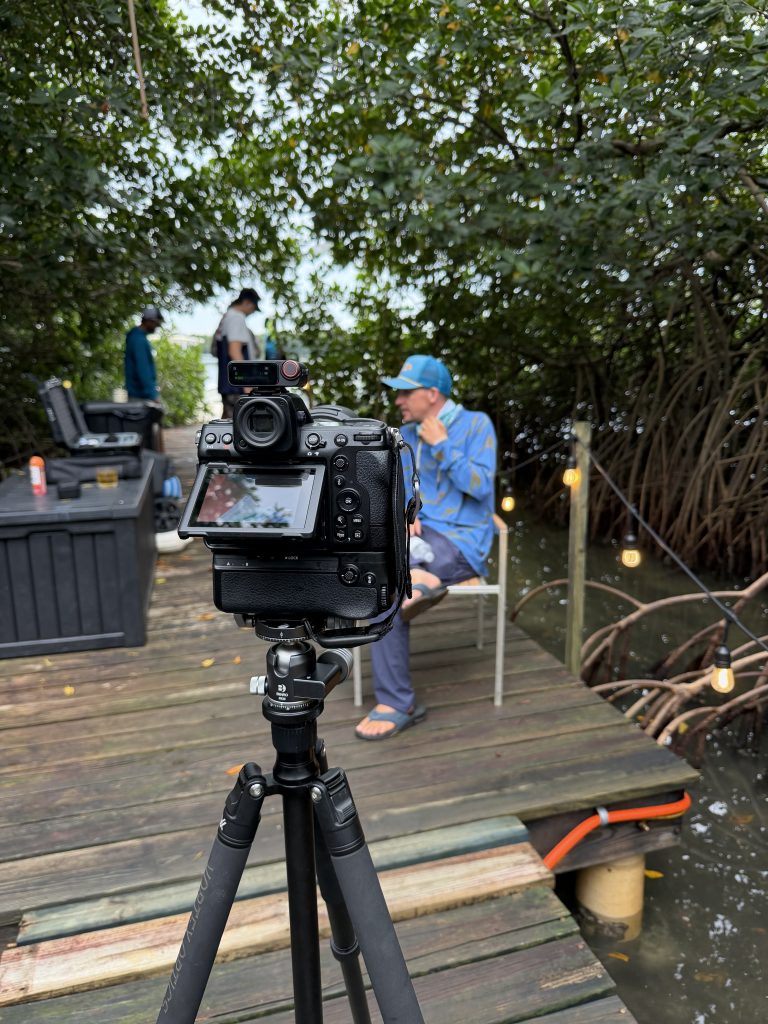
THE CORE MARKETING CHANNELS FOR FISHING CHARTERS
SEO
GOOGLE ADS
SOCIAL MEDIA
GMB
WEB DESIGN
SEO — Getting Found When It Matters Most
Search engine optimization is the foundation of sustainable charter marketing. When someone searches "deep sea fishing charter Puerto Rico," "offshore fishing Corpus Christi," "tarpon fishing guide Tampa Bay," or "sportfishing charter Key West" — they're a motivated buyer ready to spend money. The charters ranking on Page 1 for those searches capture the majority of those bookings.
SEO for fishing charters involves three distinct layers:
Local SEO — optimizing for clients already in your area searching for same-day or near-term trips. Google Business Profile optimization, local citations, and review strategy are the primary tools here.
Destination SEO — optimizing for traveling clients who are planning trips to your location from elsewhere. These clients search with destination-specific terms months before their trip. Content that targets these searches — "best offshore fishing charters in Puerto Rico," "top inshore fishing guides Galveston TX" — captures bookings from clients who would never find you through local search alone.
Species and technique SEO — targeting clients who know exactly what they want. "Tarpon fishing Florida," "wahoo fishing Fajardo," "redfish charter Rockport Texas" — these high-intent searches have lower competition and higher conversion rates than broad terms.
We build all three layers into every charter SEO strategy.
Google Ads — Filling the Calendar Fast
For charters that need to fill dates quickly, move inventory during slow periods, or capitalize on peak season booking windows, Google Ads delivers immediate, measurable results. Unlike SEO, which builds over months, a well-built paid search campaign can generate qualified leads within days of launch.
Charter Google Ads campaigns require precision: tight geographic targeting, seasonal bid adjustments, keywords that match booking intent rather than general fishing interest, and landing pages built to convert. We build campaigns that work at a captain's realistic budget — not the packages designed for resort chains.
Pre-season campaigns targeting destination travelers three to six months out, and in-season campaigns targeting last-minute bookers already in your area, work differently and require different structures. We build both.
Social Media — Selling the Experience Before They Book
Fishing charters are among the most naturally visual businesses on the planet. The sunrise over open water, the bend of a heavy rod, the celebration when a trophy fish comes to the boat — this content exists on every single trip. The charters that capture it consistently and publish it strategically build audiences that convert.
Instagram and Facebook are where destination fishing clients spend time planning trips. A well-maintained feed of high-quality trip photos and video — Reels performing particularly well in the current algorithm — functions as a rolling portfolio that sells the experience to every new follower.
Video content is especially powerful for offshore and deep-sea charters. A two-minute YouTube video of a mahi-mahi trip offshore of San Juan reaches traveling clients who are actively researching Puerto Rico fishing before they've ever heard of your operation. That video doesn't stop working when you're offshore — it runs 24 hours a day.
We develop social content strategies built around your actual trip footage — not stock content, not generic fishing posts. Real trips, real fish, real clients. That authenticity is what converts followers into bookings.
Past charter clients are your most valuable marketing asset. They already trust you. They've experienced what you deliver. They're far more likely to book again — or refer a friend — than a cold prospect who just found you on Google.
Most captains have a list of past clients in their phone or booking software and no system for staying in contact with them. That's money sitting unused.
A simple, well-timed email strategy changes that significantly:
A pre-season email in late winter — here's what to expect this season, prime dates are filling fast — re-activates past clients at the exact moment they're thinking about planning trips. A post-season recap with availability for the following year can generate off-season bookings before you've made a single call. Targeted emails to past clients who booked specific trip types — offshore vs. inshore, species-specific trips — keep the right offer in front of the right person.
These don't need to be complicated. A few well-written, well-timed emails per year from a captain clients already respect generates meaningful bookings at near-zero cost.
Google Business Profile and Online Reviews
For local and destination searches, your Google Business Profile is often the first thing a potential client sees — before your website, before your social, before anything else. A fully optimized profile with the right categories, accurate location and service area information, strong photo content updated regularly, and a consistent stream of fresh reviews is a direct driver of both rankings and bookings.
Reviews are the deciding factor for most charter clients. A captain with 120 reviews averaging 4.9 stars beats a better captain with 22 reviews nearly every time — because clients can't verify the quality of the fishing experience before they book. Reviews are the proxy. We put a review generation system in place that consistently converts satisfied clients into published five-star reviews, building your reputation with every trip you run.
Website Performance — Where Every Channel Leads
Every marketing channel eventually drives traffic to your website. If that site is slow, hard to navigate on mobile, unclear about what trips you offer and where you operate, missing strong photos of real catches, or lacking a frictionless way to check availability and reach you — the marketing investment is undermining itself.
Charter websites need to accomplish specific things: communicate your location, boat, trip types, and target species immediately; showcase social proof through reviews and photography; answer the questions clients ask before booking; and make it as easy as possible to inquire or reserve. We assess your current site as part of every engagement and address the conversion gaps that are costing you bookings.
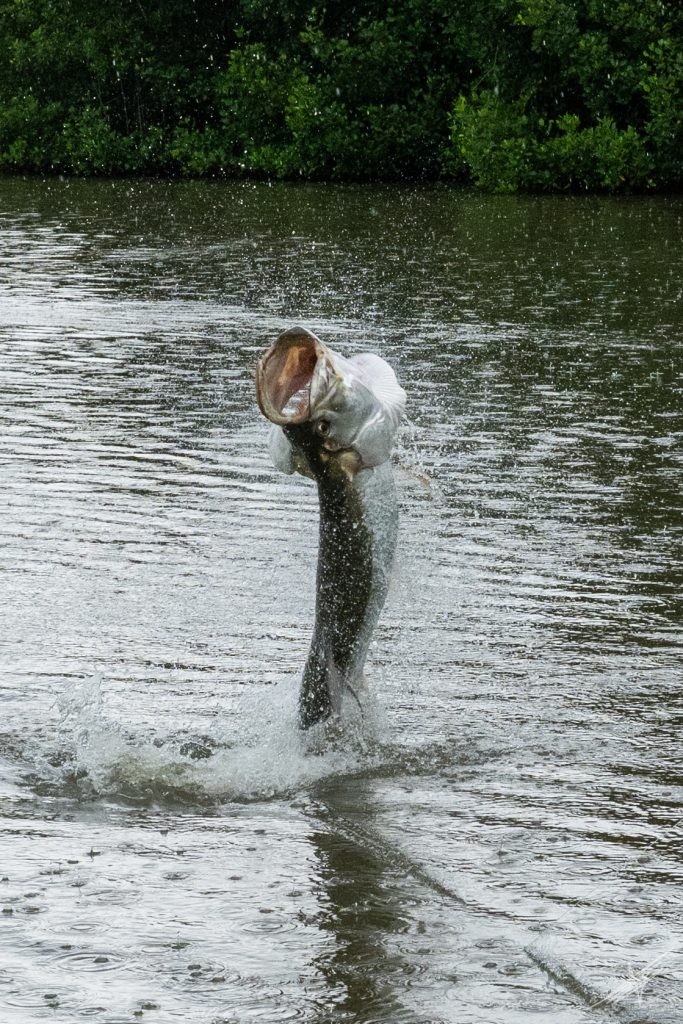
CHARTER MARKETS WE SERVE
Our charter marketing work spans both freshwater and saltwater operations across the country and Caribbean.
Gulf Coast — Texas inshore and offshore charters from the Bolivar Peninsula to South Padre Island. Redfish, speckled trout, flounder, snapper, and offshore pelagics. Highly competitive local market with strong destination travel demand from major Texas metros.
Florida — Inshore, nearshore, and offshore operations across both coasts. The Keys, Tampa Bay, Charlotte Harbor, the Panhandle — each with distinct species, seasons, and client profiles. Florida charter is one of the most competitive fishing markets in the country and requires niche-specific strategy to stand out.
Caribbean and Puerto Rico — Offshore sportfishing in the Caribbean is a premium experience that attracts high-value destination clients willing to travel and pay for the right trip. Mahi, wahoo, blue marlin, tuna — and the PR market specifically is underserved from a digital marketing standpoint. We have firsthand experience shooting content with Puerto Rico charters and understand this market.
Pacific Coast — Salmon, halibut, and tuna charters from Southern California through the Pacific Northwest and into Alaska. Destination-heavy markets with strong advance booking windows.
Freshwater guides and charters — For operations that blend guide and charter models, we connect the strategy between our fishing guide marketing approach and charter-specific tactics. [See our fishing guide marketing page →]
WHAT MAKES CHARTER MARKETING DIFFERENT FROM GENERAL MARINE MARKETING
Two things separate fishing charter marketing from general boating or marine business marketing, and both have to be reflected in the strategy.
You’re selling a perishable inventory. An unfilled charter date is revenue that can never be recovered. That creates urgency around filling specific dates — particularly shoulder dates, weather-impacted rescheduled trips, and late-season availability — that general service businesses don’t face. Marketing tactics that move specific date inventory, not just general brand awareness, are part of the toolkit.
Your clients include both local and destination audiences. Local clients — people in your area who fish regularly and want a knowledgeable captain — find you differently than destination clients flying in from Dallas or New York to fish offshore Puerto Rico for the first time. Local SEO and Google Business Profile serve the first group. Destination content, travel-intent keywords, and social content that showcases the experience serve the second. Both require different approaches, and most charter marketing misses at least one of them entirely.
THE RIVERRISE APPROACH.
We start every charter engagement the same way: a clear-eyed look at where you stand. Your current Google rankings, your Business Profile health, your review profile against competitors, your website’s performance on mobile, and what the competitive landscape looks like in your specific market and species category.
From there we build a strategy that’s sequenced — highest leverage first. For most charters, that means SEO and Google Business Profile as the foundation, social content strategy layered on top, and paid campaigns added when the organic foundation is solid and specific calendar gaps need to be filled fast.
We handle the execution. Monthly reporting shows you what’s moving, what we’re working on, and how it connects to actual bookings. No jargon. No vanity metrics. Just a clear picture of your marketing performance every month.
FISHING CHARTER MARKETING FREQUENTLY ASKED QUESTIONS
How Is Charter Marketing Different From Fishing Guide Marketing?
The audiences, search patterns, and booking dynamics overlap significantly but diverge in important ways. Charters — particularly offshore and saltwater operations — tend to attract more destination travelers, larger group bookings, and higher per-trip revenue. The visual content strategy is different (offshore and pelagic fishing is inherently more dramatic). The geographic keyword targets are different. And platform restrictions around certain charter categories require a more nuanced paid advertising approach. We cover both models and can build a strategy that addresses whichever applies to your operation — or both, if you run a mixed guide and charter business.
How Do I Compete With Big Booking Platforms Like FishingBooker and Airbnb Experiences?
The same way guide businesses compete with their platforms — by owning the specific searches those platforms can't rank for. FishingBooker ranks for generic terms. You can rank for "offshore fishing Fajardo Puerto Rico," "best inshore charter Rockport TX," or "tarpon guide Tampa Bay" — searches specific enough that motivated buyers find you directly. Direct bookings mean more margin and the client relationship stays with you.
How Important Are Videos For Charter Marketing?
Extremely — more so than for most fishing guide operations. Offshore and deep-sea charters produce the kind of footage that performs well on YouTube, Instagram Reels, and Facebook. A well-shot trip video can generate thousands of organic views from people actively researching charter trips in your area. We help captains develop a content capture strategy that makes the most of existing trip footage without requiring a dedicated videographer on every trip.
How Do I Market To Destination Clients From Outside My State?
Destination SEO content — pages and posts targeting the specific searches traveling clients use when planning trips to your area — is the most sustainable channel. Pair that with social content that showcases your location and the fishing experience, and Google Ads with geographic targeting that reaches clients in feeder markets during the planning window. For Puerto Rico and Caribbean operations specifically, Spanish-language SEO and content is also worth considering given the mixed market.
What's The TImeline For Results?
Paid advertising generates leads within days. SEO shows meaningful ranking movement within 60–90 days for lower-competition terms, with Page 1 rankings for destination-specific terms typically within 3–5 months. Review generation and Google Business Profile improvements show results fastest — sometimes within a few weeks of implementation. The full system compounds over time; the captains who start building it early hold the rankings that late movers have to fight for.
Do You Work With Captains Running Both Freshwater and Saltwater Operations?
Yes. For captains who run multi-species or multi-location operations — saltwater charters in winter, freshwater guide trips in summer — we build an integrated strategy that covers both. The keyword architecture and content strategy are structured so each operation supports rather than competes with the other in search.
What Does Charter Marketing Cost?
Scope drives cost — the competitiveness of your specific market, how much content needs to be built, what paid advertising budget makes sense for your booking calendar, and how many locations or trip types you want to target. We start every engagement with a free audit. That gives you a clear picture of where you stand and what a strategy would involve before any commitment.