
RiverRise builds SEO, paid ads, and social strategies
specifically for fishing guides — so the right clients
find you first, every season.
MORE BOOKINGS.
LESS RELYING ON WORD OF MOUTH.
FISHING GUIDE MARKETING : A FULL-FUNNEL STRATEGY TO FILL YOUR CALENDAR
Most fishing guides market the same way — post a few photos on Instagram, hope Google finds them, and rely on word of mouth to carry the off-season. It works until it doesn’t. A slow spring, a dry referral pipeline, or a competitor who actually invested in their online presence can flip a full calendar into an uncertain one fast.
Sustainable guide businesses don’t leave their bookings to chance. They build marketing systems that work consistently — generating leads before the season opens, converting browsers into booked clients, and keeping past clients coming back year after year.
That’s what we build at RiverRise Creative. We’re a Bozeman-based digital marketing agency that works specifically with outdoor businesses — fishing guides, outfitters, lodges, and adventure operators across the Mountain West. Our approach to fishing guide marketing isn’t a generic package. It’s a strategy built around how your clients actually find, research, and book guided fishing trips.
HOW FISHING CLIENTS ACTUALLY FIND AND BOOK GUIDES
Before we talk tactics, it’s worth understanding the decision process your clients go through — because effective marketing means showing up at each stage.
The research phase. A client planning a fly fishing trip to Montana isn’t calling a guide cold. They’re Googling. They’re reading about the Gallatin and the Madison. They’re watching YouTube videos of drift boat trips. They’re asking in Facebook groups and Reddit threads. They’re comparing guides before they’ve even reached out to one. This phase can happen weeks or months before the booking date.
The comparison phase. Once they’ve identified a few options, they’re comparing your website to competitors, reading reviews, looking at photos, and forming an impression of your credibility and expertise. A guide with a dated website and 12 reviews loses to a competitor with a clean site and 60 five-star reviews — even if the fishing is better with you.
The booking phase. When a client is ready to book, friction kills conversions. A slow website, a buried contact form, no online booking option, or a phone that doesn’t get answered sends that booking somewhere else. The last mile matters.
The loyalty phase. Past clients are your highest-value marketing asset. They already trust you. A simple system for staying in touch — a seasonal email, a pre-season update, a re-booking offer — generates repeat trips at near-zero acquisition cost.
A complete fishing guide marketing strategy addresses all four phases. Most guides have gaps in at least two of them.
THE CORE CHANNELS THAT DRIVE BOOKINGS FOR FISHING GUIDES
SEO
GOOGLE ADS
SOCIAL MEDIA
GMB
WEB DESIGN
SEO - LONG TERM VISIBILITY FOR HIGH-INTENT SEARCHES
Search engine optimization is the foundation of a sustainable fishing guide marketing strategy. When someone searches "fly fishing guide Bozeman," "drift boat trips Gallatin River," or "cutthroat trout fishing guide Montana," organic rankings determine who gets the call.
The guides who consistently show up on Page 1 for those searches don't need to fight for every booking. The clients come to them.
SEO for fishing guides involves local keyword strategy, destination-specific content, Google Business Profile optimization, and a review generation system that builds credibility alongside rankings. It takes longer to build than paid advertising, but it compounds — a well-optimized guide website keeps generating leads long after the initial work is done.
We cover the full SEO strategy for fishing guides in detail on our SEO FOR FISHING GUIDES PAGE. If you're not ranking yet, that's typically the first place to focus.
GOOGLE ADS - FILLING THE CALENDAR FAST, ON A GUIDE'S BUDGET
For guides who need to fill dates quickly or want to test specific markets without waiting on SEO to build, Google Ads is the most direct tool available. The intent is already there — someone searching "Madison River fly fishing guide" is in the market right now. A well-built Google Ads campaign puts you in front of them at that moment.
The challenge with paid search for guide businesses is budget efficiency. Most agencies aren't interested in the realistic ad budgets a small guide operation can sustain. We build campaigns that work at guide-scale: tight keyword targeting, geographic precision, conversion-focused landing pages, and ongoing optimization that squeezes as much as possible out of every dollar.
Seasonal campaigns — a pre-opener push in March, a fall fishing campaign in September — can be particularly effective for filling shoulder-season gaps and specific trip types.
SOCIAL MEDIA - VISUAL STORYTELLING THAT BUILDS TRUST
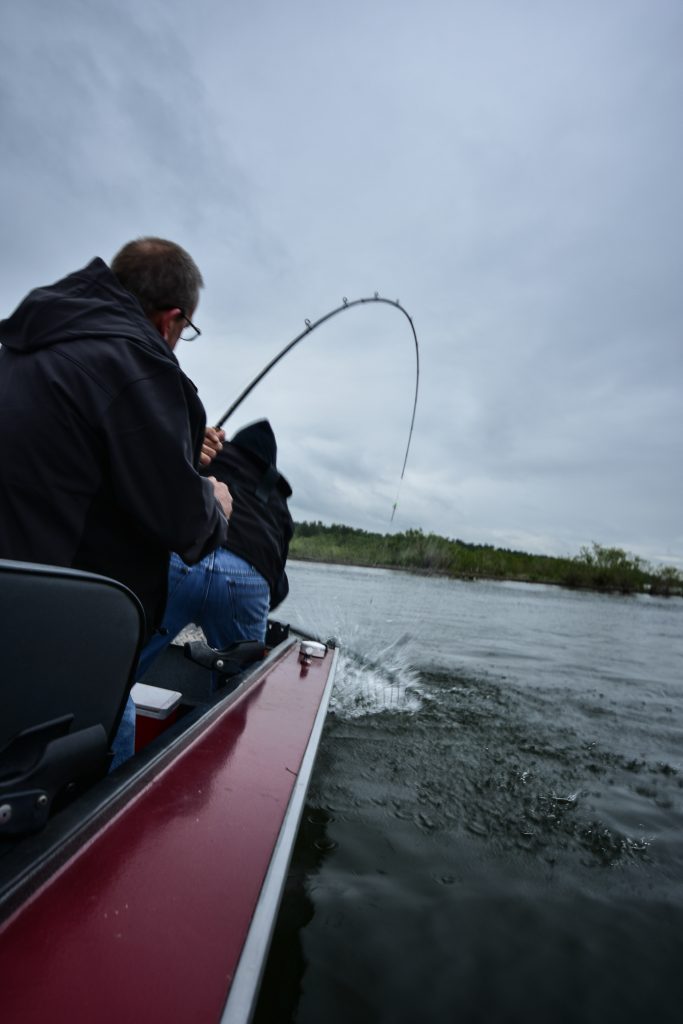
Fishing is inherently visual. The bend of a rod, a fat rainbow coming to hand, the morning light on a mountain river — this content exists on every guided trip. The guides who turn that into consistent social presence build an audience that converts.
Instagram and Facebook are where outdoor clients spend time, discover new guides, and make decisions about who to trust. A consistent, well-shot feed signals that you're serious about your business and gives clients a window into the experience before they book.
We develop a social content strategy that's realistic for a working guide's schedule — not a daily posting requirement, but a consistent cadence of high-quality content that builds your audience and supports your booking funnel. Video content on Instagram Reels and YouTube performs particularly well for fishing guides, giving potential clients a feel for the experience in a way that photos alone can't.
EMAIL MARKETING - YOUR MOST RELIABLE CHANNEL FOR REPEAT BUSINESS
Every past client who had a great trip is a potential re-booking. Every person who inquired but didn't book is a warm lead. Most guides have a list of past clients sitting in their phone contacts or booking software and no system for actually using it.
A simple email strategy changes that:
A pre-season email in late winter — dates are filling up, here's what to expect on the water this spring — re-activates past clients at the exact moment they're thinking about planning trips. A post-season recap email with the following year's availability can generate off-season bookings before you've made a single outbound call. A targeted email to past clients who booked specific trip types (float trips, wading trips, multi-day expeditions) keeps you top of mind for the people most likely to book that same trip again.
These aren't complicated campaigns. A few well-timed, well-written emails per year from someone clients already trust can generate meaningful bookings at essentially zero cost.
GOOGLE BUSINESS PROFILE AND ONLINE REVIEWS
For local and destination searches, your Google Business Profile is often the first thing a client sees — before they've even visited your website. A fully optimized profile with accurate information, strong photo content, regular updates, and a high review volume is a direct driver of both rankings and bookings.
Reviews are the most influential factor in a fishing client's booking decision. Guides with 50+ consistent five-star reviews convert dramatically better than those with 12, even when the quality of the guiding is comparable. The problem is that happy clients don't leave reviews without being prompted — and most guides don't have a system for asking.
We put a review generation process in place that consistently converts satisfied clients into published reviews. Over a season, that compounds into a significantly stronger online reputation.
WEBSITE PERFORMANCE - WHERE ALL THE MARKETING LANDS
Every marketing channel eventually drives traffic to your website. If that website is slow, hard to navigate on mobile, unclear about what you offer and where you guide, or missing a frictionless way to inquire or book — the marketing investment is working against itself.
Fishing guide websites need to do specific things well: communicate your location, species, and trip types immediately; showcase social proof through reviews and photography; answer the questions clients have before they reach out; and make it easy to contact you or check availability. We assess your current site as part of every engagement and address the gaps that are costing you conversions.
SEASONAL MARKETING STRATEGY FOR FISHING GUIDES
Fishing is a seasonal business, and your marketing calendar should reflect that. Here’s how the year breaks down from a marketing standpoint for a typical Mountain West guide operation.
January – February: Pre-season awareness and bookings. This is when the most motivated traveling clients are planning their summer trips. SEO content, social content, and email campaigns should be building momentum during these months. Early-bird booking offers work well here.
March – April: Peak booking push. Pre-opener content, “what to expect this spring” updates, Google Ads campaigns targeting destination searches. Your calendar should be substantially booked before the water comes up.
May – August: In-season presence and conversion. Last-minute trip content, active social presence, reputation building through consistent review generation. Keep the pipeline full for shoulder dates.
September – October: Fall fishing content and off-season leads. Fall can be the best fishing of the year and is often underbooked. Targeted campaigns for fall trip types — streamer fishing, late-season dry fly hatches — fill gaps that would otherwise sit open.
November – December: Following-year bookings and client retention. End-of-season recap emails, early availability for the following year, gift card promotions for the holiday window. The guides who book returning clients in the off-season go into the next year in a fundamentally different position.
WHAT MAKES FISHING GUIDE MARKETING DIFFERENT
Two things separate guide businesses from most service businesses when it comes to marketing, and both have to be accounted for in the strategy.
You’re selling an experience, not a transaction. Clients aren’t buying a fishing trip in the way they’d buy a plumber’s services. They’re buying a day on the water with someone they trust, in a place they’ve been looking forward to. Marketing that feels corporate, generic, or impersonal doesn’t convert. The best fishing guide marketing is authentic — it sounds like a guide, looks like the real water you fish, and gives clients a genuine sense of what the experience will be.
Your clients include two distinct audiences. Local clients — people in your area who fish regularly and are looking for a knowledgeable guide — find you differently than destination clients who are traveling to your fishery specifically. Local SEO and Google Business Profile optimization serves the first group. Destination content, travel-intent keywords, and partnerships with regional tourism entities serve the second. Both matter, and both require different tactics.
THE RIVERRISE APPROACH.
We start every engagement with a clear-eyed look at where you are: what’s working, what’s not, what your competitors are doing, and where the biggest gaps are between your current marketing and a full calendar.
From there, we build a strategy that’s prioritized — not a laundry list of everything you could theoretically do, but a sequenced plan that addresses the highest-leverage opportunities first and builds from there. For most guide businesses, that starts with the foundation: SEO, Google Business Profile, and website performance. Paid advertising and social strategy layer on top once the foundation is solid.
We handle the execution and keep you informed without burying you in reports. Every month you’ll see what’s moving, what we’re working on, and where the strategy is heading.
FISHING GUIDE MARKETING FREQUENTLY ASKED QUESTIONS
How Much Should A Fishing Guide Spend On Marketing?
There's no universal answer, but a reasonable starting framework is 5–10% of your target annual revenue. For a guide business targeting $150,000 in bookings, that's $7,500–$15,000 per year across all marketing activities. How you allocate that depends on your current situation — a guide with no online presence needs to prioritize SEO and website before paid ads; a guide with strong organic rankings might benefit most from a seasonal Google Ads push to fill specific gaps.
Should I Prioritize SEO or Paid Ads First?
Generally, SEO first — it builds compounding, long-term value and doesn't require ongoing spend to maintain once rankings are established. The exception is if you have immediate calendar gaps you need to fill or are launching in a competitive market where SEO will take time to build. In those cases, a targeted Google Ads campaign can generate leads while the SEO work builds in the background.
How Do I Get More 5-Star Reviews?
Ask consistently, and make it easy. After every trip, a simple follow-up — a text or email two days later thanking the client and including a direct link to your Google review page — converts at a far higher rate than hoping clients figure it out on their own. We set up the system so the follow-up happens automatically.
How Do I Market To Out-Of-State Clients?
Destination-intent SEO content is the most sustainable channel for out-of-state clients — pages and posts targeting the specific searches traveling anglers use ("fly fishing guide Bozeman Montana," "Madison River float trips," "Montana cutthroat fishing"). Google Ads with geographic targeting can reach traveling clients during the booking window. Social content that shows your fishery in its best light — particularly video — also drives destination bookings, especially for guides in visually spectacular locations.
Is It Worth Being On Fishing Booking Platforms Like FishingBooker?
Booking platforms can supplement your direct marketing but shouldn't replace it. The problem with platform dependency is margin and control — platforms take a percentage, they own the client relationship, and they can change their terms or algorithms at any time. A guide with strong direct marketing owns their bookings and their client relationships. We help guides build the direct channel so they're not dependent on any single platform.
How Long Before I See Results From Fishing Guide Marketing?
Paid advertising can generate leads within days of launching a campaign. SEO typically shows meaningful ranking movement within 60–90 days for lower-competition terms, with Page 1 rankings for competitive local terms taking 4–6 months. Email marketing to an existing client list can generate bookings immediately. The timeline depends on which channels you prioritize and what your starting point looks like.
Do You Work With Saltwater Guides And Charters?
Our primary focus is Mountain West freshwater guides — fly fishing, float trips, wade fishing — where we have the deepest market and geographic expertise. We do work with select guides and outfitters outside that geography when the fit is right. Reach out and we'll give you a straight answer on whether we're the right fit for your operation.